
A guide to cushion foam, comfort, support, and extending the life of the furniture you already love.
Your favorite sofa may still be exactly the right size, style, and shape for your room—but it no longer feels the way it used to. Perhaps you sink farther into one seat, find yourself shifting to get comfortable, or notice cushions that remain flattened even after you straighten them. These changes do not necessarily mean you need a new sofa. In many cases, the problem is inside the cushions, where years of pressure have changed the way the filling responds. At Leather Leather Furniture Gallery in Menlo Park, we evaluate the cushion construction, upholstery, and support beneath the seats to help determine whether replacing the foam or other internal materials can bring back a comfortable, tailored sit.Why sofa cushions begin to sag
Seat cushions are designed to compress when you sit and rebound when you stand. Over time, some foam loses resilience and does not recover as fully. The surface may look rounded at first but flatten quickly under weight. Other problems can include compressed fiber wraps, settled feather-and-down envelopes, uneven back-cushion fill, or weakened support beneath the seats. A cushion that looks low is not always a foam problem. If the entire seat slopes or drops, the suspension, webbing, or spring support may also need attention. A thoughtful evaluation separates cushion wear from a structural issue before any replacement materials are selected.The difference between density, firmness, and resilience
These terms are often used interchangeably, but they describe different qualities. Density tells you how much foam material is present in a given volume; firmness describes how much force it takes to compress the foam; and resilience refers to how it recovers after pressure. A denser foam is not automatically firmer, and the firmest cushion is not necessarily the most comfortable. Our Foam Replacement collection includes high-resiliency options described as soft 2.0, medium 2.5, firm 3.0, and extra-firm 3.5, along with specialty constructions. The best selection depends on the foam formulation, thickness, furniture design, and how you prefer to sit. An upholstered cushion should support you without feeling hard or collapsing underneath you.Foam with a polyester fiber wrap: tailored and supportive
CUSHION CONSTRUCTION • Foam with polyester wrap

Foam core
Fiber wrap
Down and feather envelopes: a softer, relaxed sit
CUSHION CONSTRUCTION • Foam with down-and-feather envelope

Foam core
Down & feather
Layered foam: fine-tuning the comfort
CUSHION CONSTRUCTION • Layered foam cushion

Firm support
Soft upper layer
Spring-core cushions and other specialty constructions
CUSHION CONSTRUCTION • Spring-core cushion

∿ ∿ ∿ ∿
Foam padding
Back cushions can need a different solution
CUSHION CONSTRUCTION • Back cushion with channeled filling

Channeled fill
Cover
What about leather sofas and attached cushions?
Leather is especially revealing when a cushion loses fullness: the cover can wrinkle or appear loose because the internal support has compressed. Replacing the core with the right dimensions and wrap can improve the cushion’s shape, but worn or stretched leather may not return completely to its original appearance. Fabric covers can have similar fit issues. Removable cushions are usually easier to evaluate and replace. Attached seats and backs can also be worked on, but may require professional disassembly, cushion rebuilding, and careful reassembly. The aim is to preserve the integrity of the upholstery and frame while addressing the comfort issue.When foam replacement may be worth it—and when it may not
Replacement is often worth considering when the frame is sound, the furniture still fits your space, and the primary problem is flattened or uncomfortable cushioning. It can be a particularly practical choice for a well-made sofa with upholstery you still enjoy. If there are substantial frame or suspension problems, extensive upholstery damage, or changes you no longer like about the sofa’s proportions, a wider repair or reupholstery assessment may be appropriate.Before and after: examples from our cushion restoration work
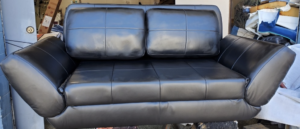
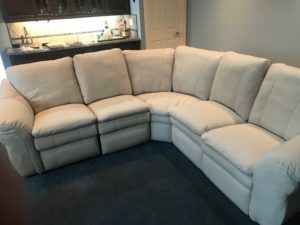
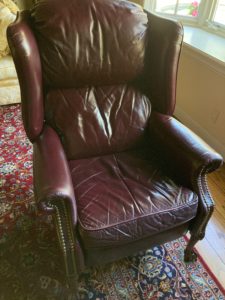
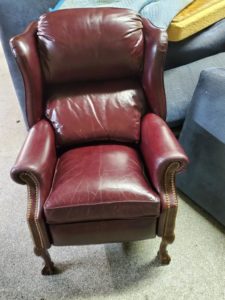
These photographs appear in our Foam Replacement gallery. They show changes in the appearance of upholstered seating, rather than the internal cushion materials. Each furniture piece is different, and the work appropriate for one may not be appropriate for another.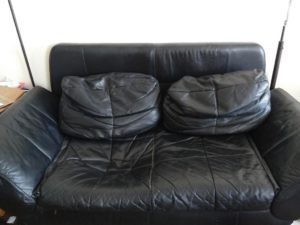

Comments are closed here.