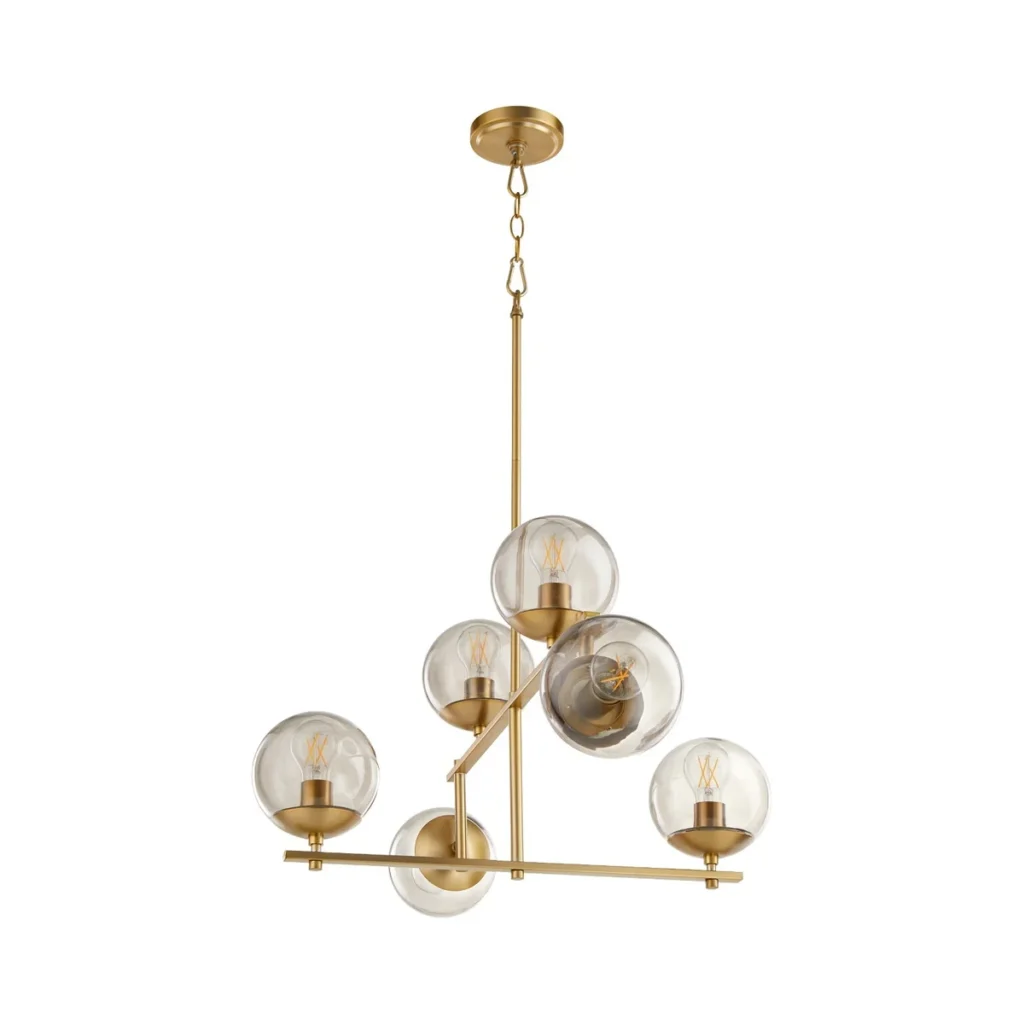
From concealed ceiling lights to the glow beside a favorite chair, here’s how to use light to bring out the best in your home.
Look at a leather sofa by the window in the morning, beneath a ceiling light in the afternoon and beside a shaded lamp after dinner. The same leather can look cooler, glossier or richer as the light changes. The shape of the cushions and the grain of the leather come forward or recede. Lighting can do as much to change the feeling of a room as a new wall color.
Start by thinking about what you want to see when you walk in, where you need to see clearly and which parts of the room should stay soft. A bright path to the kitchen, a gently lit bookcase and a lamp beside the sofa can all work together, and each has a different job.
The layers of light
| Layer | What it does | Examples |
|---|---|---|
| Daylight | Changes the room through the day and reveals colors in a different light. | Windows, skylights, clerestories and filtered daylight through sheers. |
| Ambient | Gives the room enough overall light to move around comfortably. | Coves, diffuse ceiling fixtures, wall washers and wide-beam downlights. |
| Task | Puts usable light on what your hands and eyes are doing. | Under-cabinet lights, reading lamps, desk lamps and vanity lights. |
| Accent | Draws attention to an object, material or architectural feature. | Art spots, picture lights, shelf lights and grazing light on stone. |
| Decorative | Adds a visible design element at ceiling, wall or furniture height. | Chandeliers, pendants, sconces and sculptural lamps. |
| Path and orientation | Makes changes in level and routes through the house easier to see after dark. | Step lights, low hallway lights and toe-kick lighting. |
A pendant can be decorative and put task light on a table. A concealed strip can be ambient when it bounces off the ceiling, task lighting beneath a cabinet or accent lighting inside a display niche. The purpose depends on where the light lands.
How built-in lighting changes the room
Recessed downlights and adjustable spots
Fixed downlights can cover circulation and work areas, while adjustable fixtures can aim at art, a fireplace or a cabinet face. Broad beams spread light across an area. Narrow beams concentrate it. In a seating area, check the view from a sofa or recliner so a bright aperture is outside the usual sightline. Recessed, shielded optics help when the ceiling is visible from the seat.
Coves, valances and ceiling slots
A cove conceals a source along a ledge and sends light across the ceiling, where it reflects back into the room. A valance can conceal a source above a window or along a wall, and a recessed slot can deliver a crisp line of direct or indirect light depending on the fixture. The ceiling finish matters. A pale matte ceiling can return a soft glow, while a dark ceiling absorbs more of it.
Wall washing and wall grazing
A wall wash distributes light across a vertical surface, making a hallway feel brighter or giving a plain wall behind a sofa a soft presence. Grazing light sits close to a surface and strikes it at a shallow angle, bringing out shadows in fluted wood, stacked stone or textured plaster. Look at a full wall mockup when texture is important, since the same shadows can emphasize seams and surface irregularities. ERCO’s illustrated wall-lighting guide.
Backlighting, uplighting and silhouettes
A concealed strip behind a mirror or headboard makes the wall around it glow. Light behind translucent stone can reveal veining across the face of the material. A light placed below a column or tall plant directs attention upward, while a luminous surface behind a sculpture can make its outline the focal point. A backlit bathroom mirror gives the room a halo. Add a layer that lights the face for shaving or makeup.
Under-cabinet, in-cabinet and shelf lighting
Lighting under upper cabinets puts light where you chop and prep, reducing the shadow your body can cast from overhead fixtures. In a display cabinet, a concealed strip can pick out the edges of glassware and bring depth to dark shelves. In open shelving, check from seated and standing height for visible LED dots and reflections in glossy objects.
Toe kicks, stairs and hallways
A low glow beneath an island or vanity can make the cabinetry appear to float and make a late-night trip through the house feel gentler. Shielded step lights make tread edges more visible. Putting these lights on a separate control lets you use them while the room’s brighter layers are off.
Track, sconces and surface-mounted fixtures
Track heads can move or re-aim when art or furniture moves. Sconces put light at wall height and can work as uplights, bedside reading lights or softer ambient sources. Flush and semi-flush ceiling fixtures offer useful general light where ceilings are lower or there’s little room for recessed housings. These visible fixtures can also add scale and character to a room.
What’s most popular now?
Recessed lights and under-cabinet lights tied for first in the 2026 U.S. Houzz Kitchen Trends Study. Each was chosen by 72% of respondents adding or upgrading kitchen lighting. Pendants followed at 56%, then chandeliers at 21% and in-cabinet lighting at 16%. These figures describe kitchen renovations. Houzz survey results.
The National Kitchen & Bath Association’s 2027 forecast points in the same direction. Of the designers surveyed, 87% expect under-cabinet lighting to be popular over the next three years, 76% expect in-cabinet lighting to be popular and 84% agree kitchens will use multiple layers of light. In practice, that might look like light where you prep, a softer glow inside cabinets and a pendant over the spot where everyone gathers. NKBA forecast.
From flame to light built into the room
Daylight, candles and oil lamps once set the rhythm of interiors after dark. Nineteenth-century gas lighting brought piped illumination to buildings and made brighter shared interiors possible. As electric lighting arrived, buildings could place light where a flame would have been impractical. Early incandescent lamps and electric distribution evolved through the work of multiple inventors. Victoria and Albert Museum lighting history · U.S. Department of Energy bulb history.

In the twentieth century, fluorescent tubes offered broad, efficient light and later appeared in compact household bulbs. Halogen gave designers compact sources for directional spots. Today, small LEDs fit into narrow millwork channels, shallow ceiling details and miniature spotlights. Their size lets the architecture become the visible part of the lighting design. U.S. Department of Energy bulb history.
What to look for when choosing light
- Color temperature. A warm 2700 K is a starting point for living and dining rooms. Try 3000 K for a slightly crisper warm white, then compare samples in the space. Color temperature describes how warm or cool the light looks.
- Color rendering. Consider a CRI of 90 or higher where you evaluate leather, fabric or artwork. Compare actual samples under the bulbs you plan to use. Two sources with the same color temperature can make a burgundy leather or cream linen look different.
- Brightness and distribution. Lumens describe how much light a source emits. Beam shape and placement determine where that light lands. Check for harsh reflections on glass, polished stone, screens and smooth leather.
- Controls. Put ambient, task and accent lighting on separate controls where practical. A dim-to-warm LED shifts warmer as it dims. A tunable-white fixture allows a choice of color temperature. Check fixture, driver and dimmer compatibility and ask how concealed drivers can be accessed.
U.S. Department of Energy lighting terminology and guidance.
Put the layers together around the furniture
Living room. Light the wall behind a sofa to give the room depth. Add a shaded lamp next to the chair where someone reads, and aim a separate spot at art or a textured fireplace. At night, try turning off the general overhead light and leaving the wall and lamp layers on.
Dining room. Let a chandelier anchor the table. Add a separate layer at the sideboard or on the walls so the rest of the room stays visible when the chandelier is dimmed. View the fixture from the seats to see whether exposed bulbs are in anyone’s direct sightline.
Kitchen and bath. Give kitchen counters their own task lights. In a bath, pair the mirror’s soft backlight with illumination at face level and reserve a dimmer layer for late at night.
Bedroom. Use a soft glow behind the headboard or across one wall, with separate reading lights on each side. A small low-level light can guide the way to the door while the main lights are off.
Finishing touches from our lighting collection
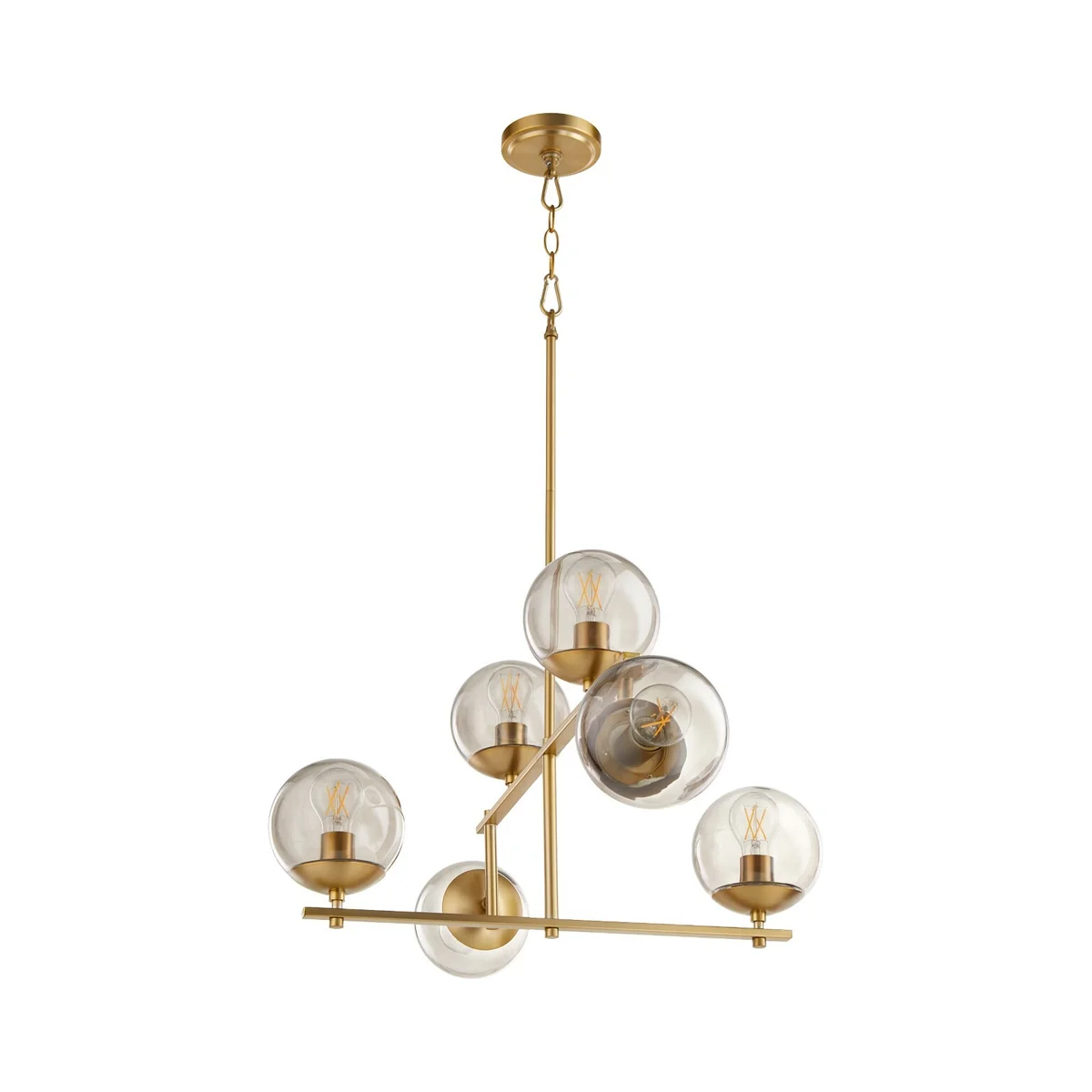


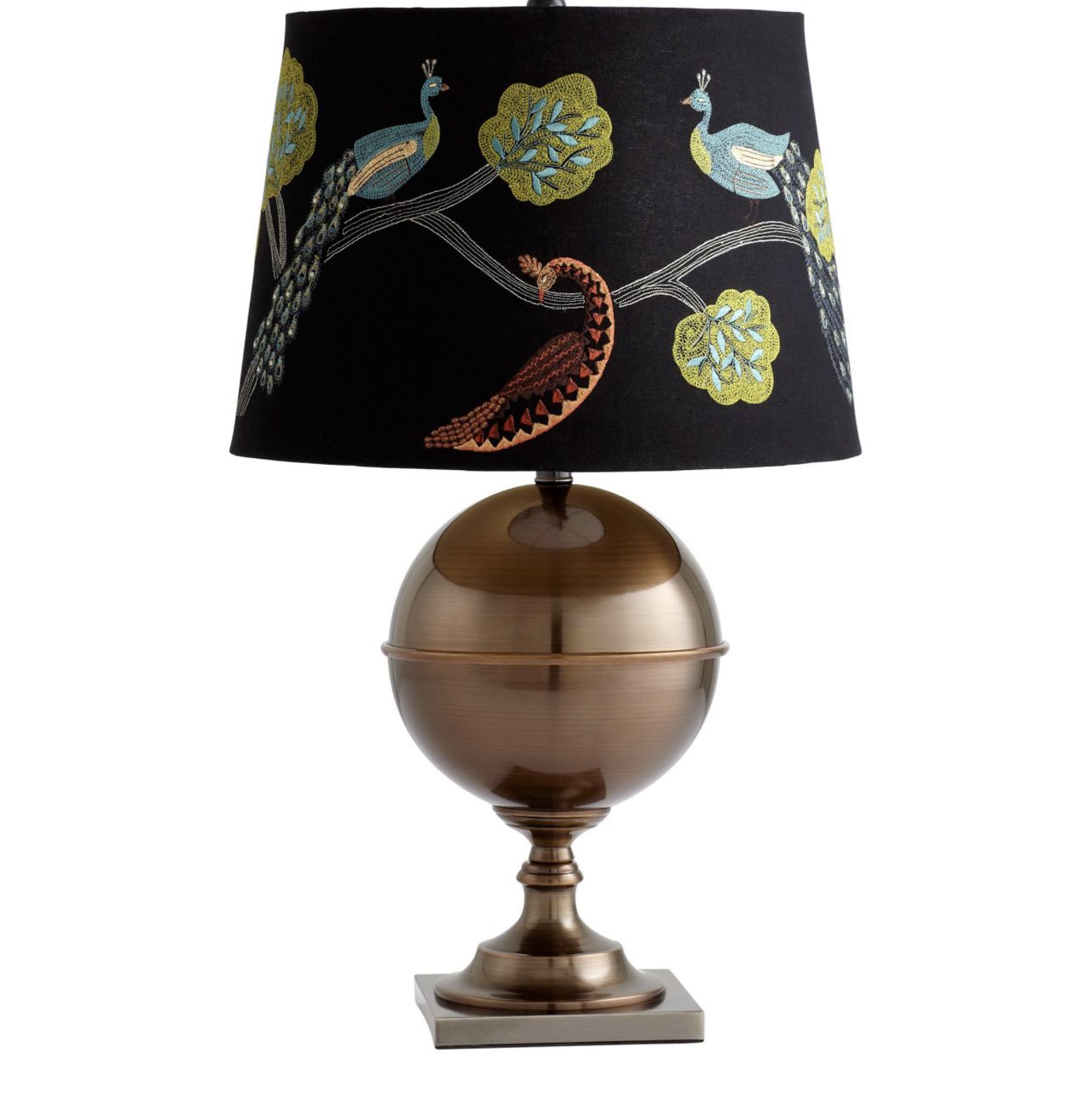
Bring a photo of your room or a fabric swatch to Leather Leather Furniture Gallery in Menlo Park. We can help you see how leather, fabric and finishes work together, and find a lamp or ceiling fixture that fits the room. Explore our accents and lighting.
Comments are closed here.